The 51% Rule: What Every SBA Buyer Needs to Know About Owner-Occupancy
SBA financing for real estate requires owner-occupancy. Most people who have looked at SBA loans know this. Fewer know the specific threshold, how it is measured, what happens in multi-tenant buildings, and what occupancy means in practice for a business acquisition. These details matter because getting them wrong can eliminate SBA financing as an option on a deal that should otherwise qualify.
The Basic Rule
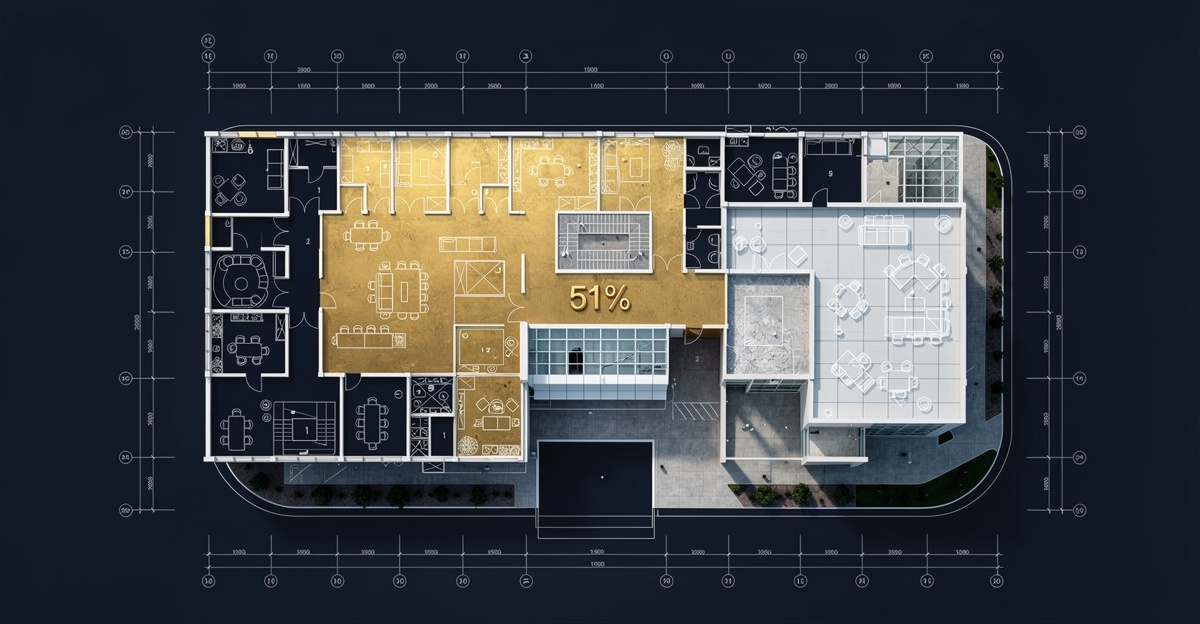
For SBA 7(a) and SBA 504 loans used to finance owner-occupied commercial real estate, the borrower’s business must occupy at least 51% of the property at the time of purchase. The SBA allows the remaining 49% to be leased to third-party tenants, and that rental income can count toward debt service coverage in some cases. For new construction, the threshold is higher: the borrower must occupy at least 60% at opening, with plans to occupy a higher portion within three years.
How Occupancy Is Measured
Occupancy is measured by square footage, not by revenue or headcount. If the building is 10,000 square feet and the acquiring business will occupy 5,100 square feet, that is 51% and meets the threshold. If the building has two floors of 5,000 square feet each and the acquiring business will only use one floor, you are at exactly 50% and do not qualify. In multi-tenant buildings with existing leases, the SBA looks at current occupancy and future occupancy plans. Existing leases that prevent the borrower from reaching 51% occupancy at closing may need to expire or be renegotiated before an SBA loan is available.
What Occupancy Actually Means
The borrower’s business must use the space for its operating purposes. Storage, parking, and common areas used primarily by tenants do not count as owner-occupied space. Related businesses and affiliates of the borrower may be able to count toward the 51% threshold in some cases. If the acquiring entity is a holding company that has multiple operating businesses, and two of those businesses will operate from the building, their combined occupancy may qualify. Confirm the specifics with an SBA lender before structuring a deal around this approach.
Why This Matters for Sellers
If you own a building and lease a portion to third-party tenants, your buyer needs to confirm at the outset whether they can meet the 51% occupancy threshold. If your business occupies 40% and you have a long-term tenant in the other 60%, SBA real estate financing may not be available to your buyer, which eliminates the 25-year amortization benefit and may reduce the buyer pool. Icon reviews the occupancy position of every property in a business sale engagement before going to market.
Related Reading
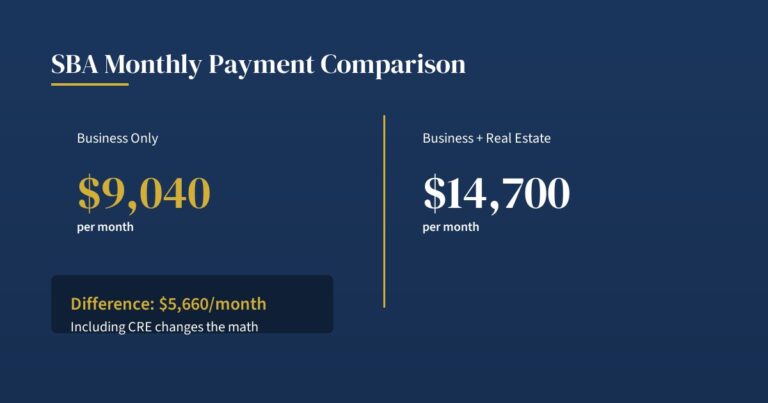
- How Including Real Estate in an SBA Deal Changes Your Monthly Payment
- SBA 7(a) vs. SBA 504: Which Loan Wins for Business Acquisition
- Icon Commercial: Commercial Real Estate Advisory for Business Owners
Questions About SBA Occupancy Requirements for Your Deal?
Owner-occupancy questions are often deal-structuring questions in disguise. Icon works through these issues before you commit to a transaction structure. Schedule a conversation to discuss your property situation.