Nashville Commercial Real Estate and Business Sales: What Owners Need to Know in 2026
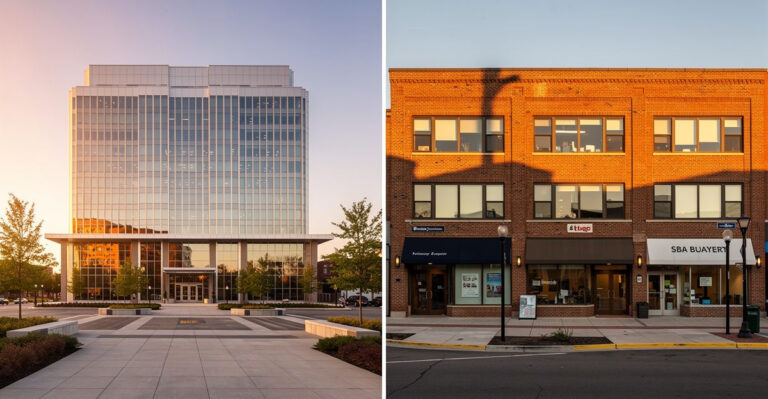
Nashville’s commercial real estate market has been one of the most active in the Southeast over the past decade, and that activity has created some unusual dynamics for business owners who own the buildings they operate from. When commercial property values increase as rapidly as they have in the Nashville metro, the real estate component of a business sale can sometimes rival or exceed the value of the operating business itself. That changes the conversation considerably.
The Nashville CRE Context
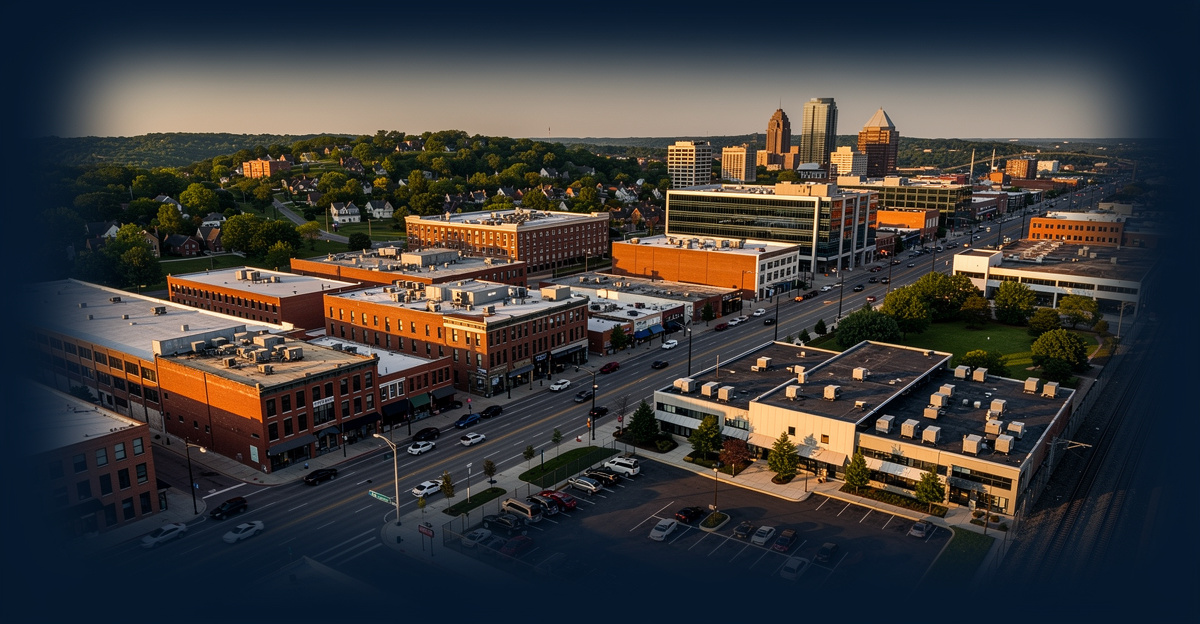
Nashville and the broader Middle Tennessee market have absorbed significant population growth, corporate relocations, and industrial development over the past ten years. The Oracle campus, Amazon’s operations center, AllianceBernstein’s move from New York, and a wave of healthcare and technology employers have all driven demand for commercial space that supply has not kept pace with in every submarket.
Industrial and warehouse properties have appreciated most sharply, particularly in submarkets with highway access: the I-40 corridor east of town, the I-65 south corridor into Williamson County, and the industrial pockets of Metro Nashville’s western neighborhoods. A business owner who purchased a 20,000-square-foot warehouse in Antioch or Smyrna for $800,000 ten years ago may find that the same property is appraising at $2.5M to $3.5M today.
When the Building Is Worth More Than the Business
In markets with strong appreciation, the real estate value can create a strategic challenge. If your business generates $400,000 in EBITDA and the market values it at 3 to 4x, the operating business is worth $1.2M to $1.6M. If the building underneath it is worth $2.5M, the deal dynamics shift considerably. Most business buyers are not set up to acquire a $4M package when most of the value is in real estate.
This is one of the scenarios where a sale-leaseback, a simultaneous separate sale of the real estate, or a real estate investor as a third party to the transaction may produce better total proceeds than a clean business-plus-real-estate sale to a single buyer. Nashville’s property appreciation has made this structure conversation more common and more important.
SBA Financing in the Nashville Market
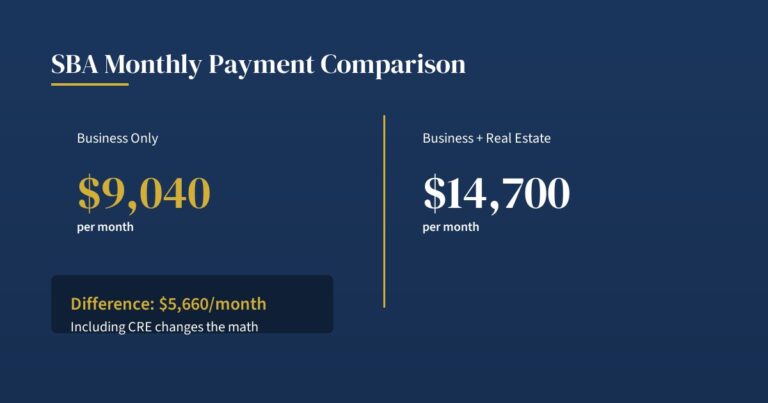
SBA lenders remain active in Nashville and Middle Tennessee for business acquisitions with owner-occupied real estate. The challenge in an appreciating market is that SBA loan maximums ($5M for 7(a), $5.5M for the 504 CDC portion) can constrain buyers in a market where commercial properties have appreciated into the $3M to $5M range. Buyers may need to supplement SBA financing with conventional real estate loans or bring more equity to the table. Nashville has a strong network of SBA-preferred lenders, including several community banks active in lower middle market business acquisition financing.
What Nashville Sellers Should Do Before Going to Market
Get a current commercial appraisal of the real estate before you begin a sale process. Nashville property values have moved significantly enough that a three-year-old appraisal may not reflect current market. Think through your real estate objectives before you engage an advisor. Do you want to retain the building as a long-term income property? Do you need the real estate proceeds for retirement? Are you open to a sale-leaseback if it produces a better total outcome? Your answer to these questions should shape your deal structure before you go to market.
Related Reading
- Sale-Leaseback for Business Owners: When to Keep the Building Instead of Selling
- What PE Buyers and SBA Buyers Actually Want When Real Estate Is in the Deal
- Icon Commercial: Commercial Real Estate Advisory for Business Owners
Selling a Nashville Business with Commercial Real Estate?
Icon is based in Nashville and has been advising lower middle market business owners in the region since the firm’s founding. We understand the local commercial real estate market and how it interacts with M&A dynamics in ways that out-of-market advisors cannot replicate. Schedule a conversation to discuss your situation.